

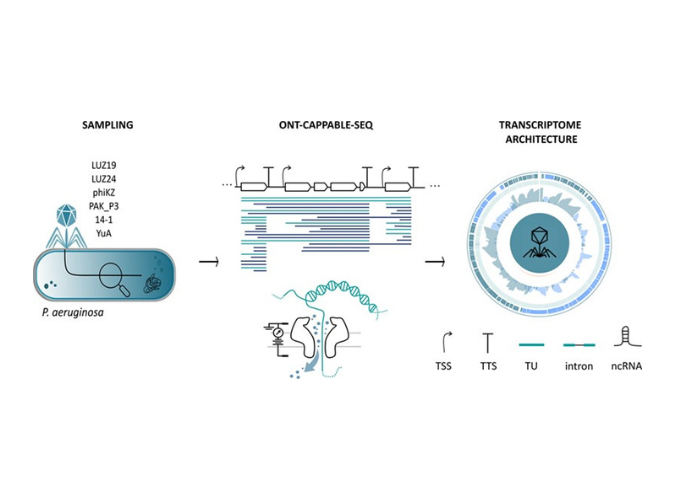
Refining the transcriptional landscapes for distinct clades of virulent phages infecting Pseudomonas aeruginosa
Putzeys and others
microLife, Vol. 5, 2024, uqae002
https://doi.org/10.1093/femsml/uqae002
A selection of recent papers from the FEMS journals, covering phage-host interactions, environmental virology, therapy, and archaeal viruses. All open access.


Putzeys and others
microLife, Vol. 5, 2024, uqae002
https://doi.org/10.1093/femsml/uqae002
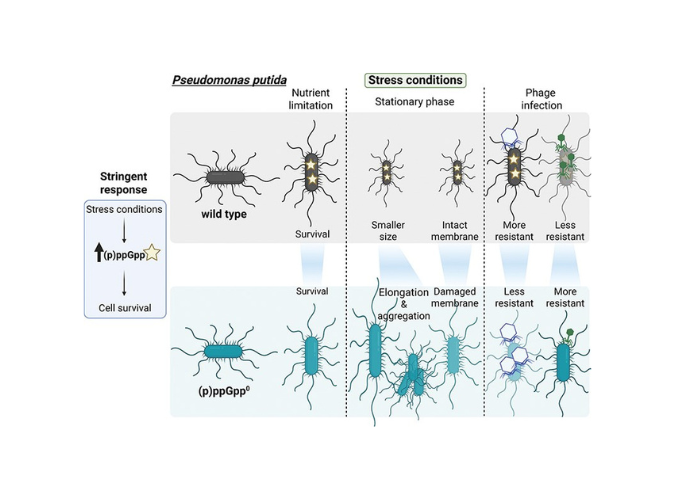
Lewańczyk and others
microLife, Vol. 7, 2026, uqaf048
https://doi.org/10.1093/femsml/uqaf048
We demonstrate that some phages are inhibited by stringent response while others require it for efficient infections of Pseudomonas putida, a biotechnologically important model organism.
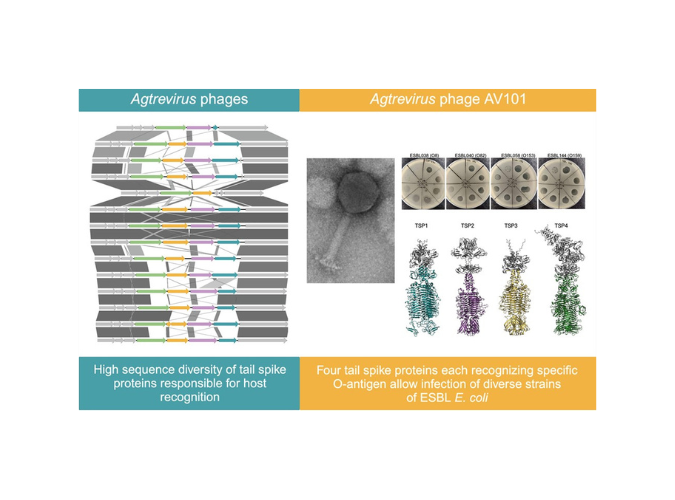
Sørensen et al.
microLife, Vol. 5, 2024, uqad047
https://doi.org/10.1093/femsml/uqad047
Agtrevirus phage AV101 expresses four unique tail spike proteins that recognize different O-antigens of E. coli, including strains producing Extended Spectrum β-Lactamases.
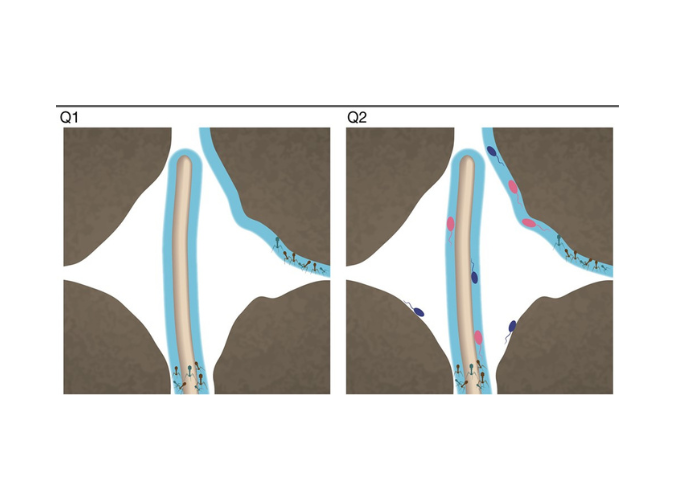
Périat and others
microLife, Vol. 5, 2024, uqae004
https://doi.org/10.1093/femsml/uqae004
Demonstration of the important positive role of host carriers and fungal highways in the dissemination of bacteriophages in soil.
Carrie Julia Moore and others
microLife, Volume 5, 2024, uqae011
https://doi.org/10.1093/femsml/uqae011
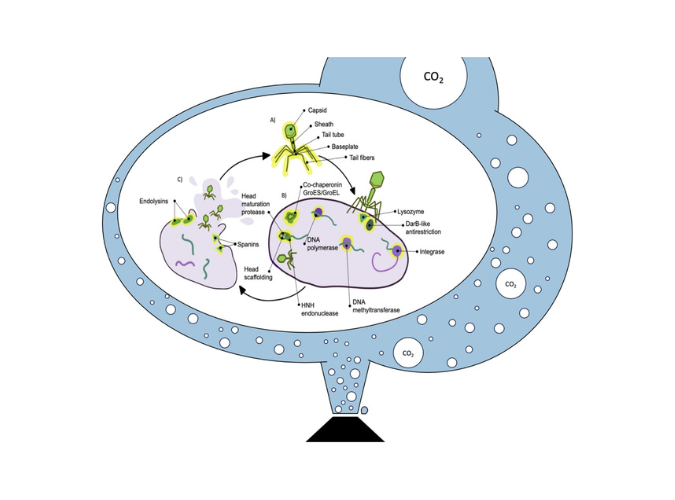
The high carbon dioxide cold-water geyser Wallender Born harbors active and diverse viral communities as shown through metaproteogenome analysis.
Xiaofang Wang and others
FEMS Microbiology Ecology, Volume 100, Issue 5, May 2024, fiae052
https://doi.org/10.1093/femsec/fiae052
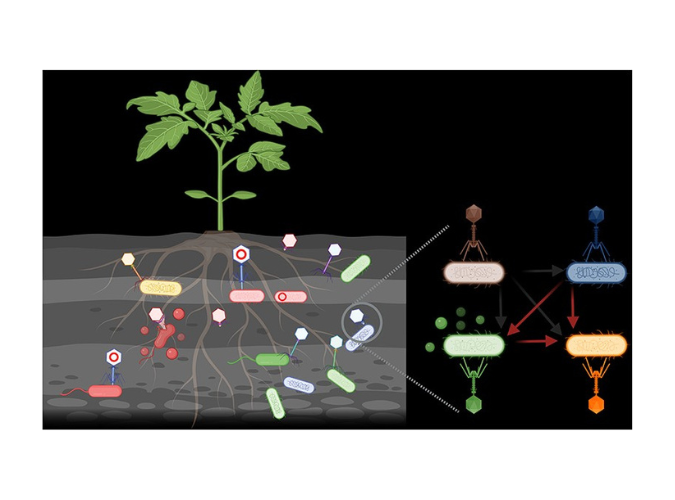
We outline the significance of soil phages for plant health within the rhizosphere, delving into their ecological and evolutionary impacts on soil biodiversity and ecosystem functioning.
Samuel J. T. Dawson and others
FEMS Microbiology Ecology, Volume 101, Issue 5, May 2025, fiaf043
https://doi.org/10.1093/femsec/fiaf043
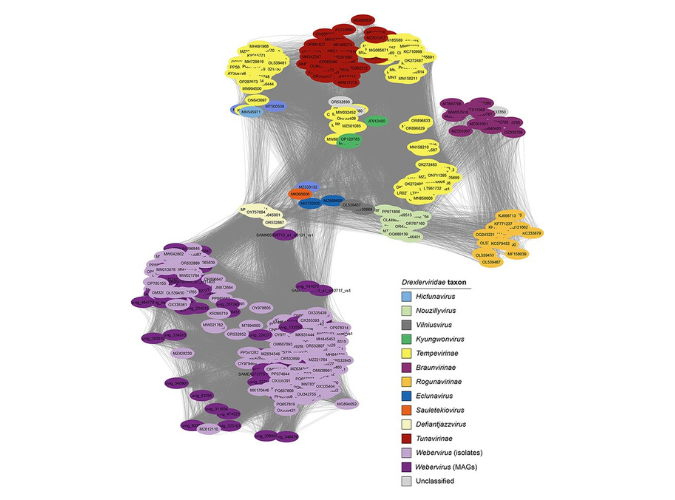
Combining data from isolated phages and metagenome-assembled genomes greatly expands the availability of curated phage genome sequences for use in genomic and ecological studies.
Meaghan Castledine and others
FEMS Microbiology Ecology, Volume 101, Issue 4, April 2025, fiaf027
https://doi.org/10.1093/femsec/fiaf027
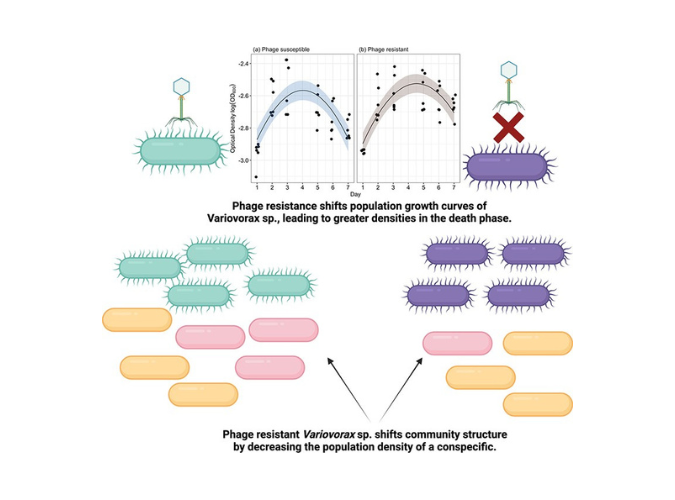
Microbial community structure is affected by phage resistance evolution in Variovorax, which increases host density.
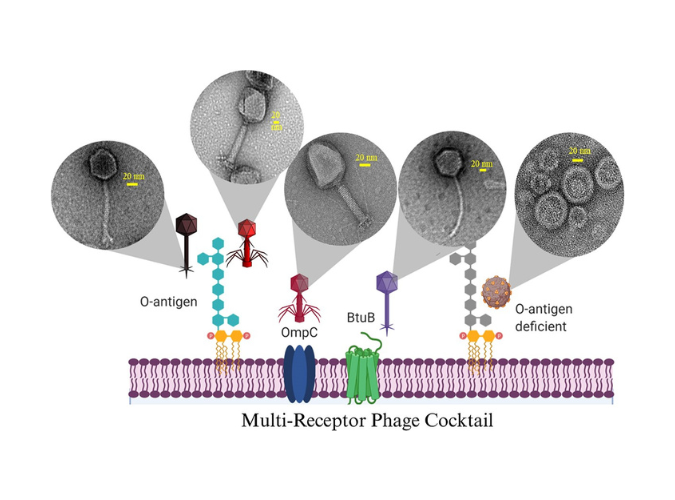
Carlos E. Martinez-Soto and others
microLife, Volume 5, 2024, uqae003
https://doi.org/10.1093/femsml/uqae003
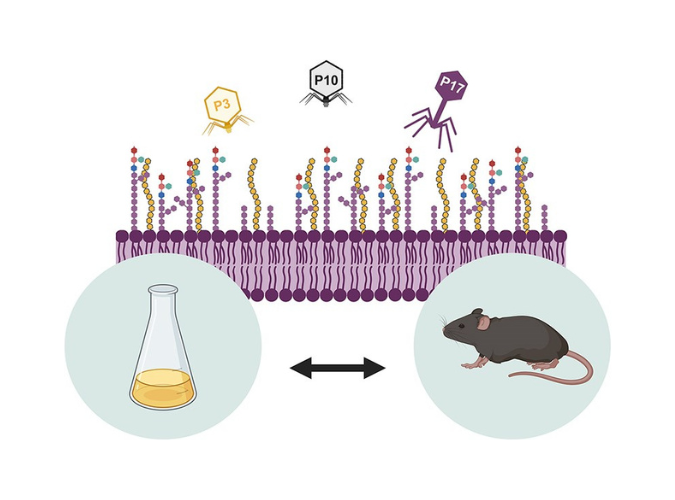
Luís Leónidas Cardoso and others
microLife, Volume 6, 2025, uqaf017
https://doi.org/10.1093/femsml/uqaf017
Bacteriophages offer a promising alternative to antibiotics. However, bacteria can develop resistance to phages, potentially limiting treatment success. This study examines how such resistance emerges and what it costs bacteria.
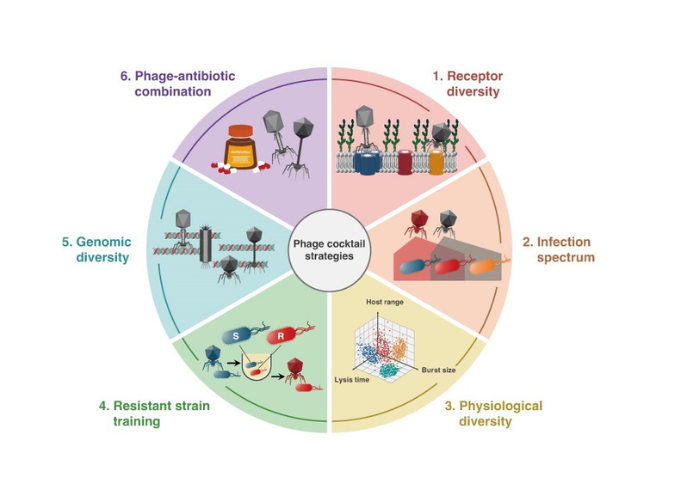
Tomoyoshi Kaneko and others
FEMS Microbiology Reviews, Volume 50, 2026, fuaf061
https://doi.org/10.1093/femsre/fuaf061
This comprehensive review systematically examines cutting-edge design principles for phage cocktails, focusing on strategies to prevent antimicrobial resistance through receptor diversity, phage-antibiotic combinations, and network-based approaches.
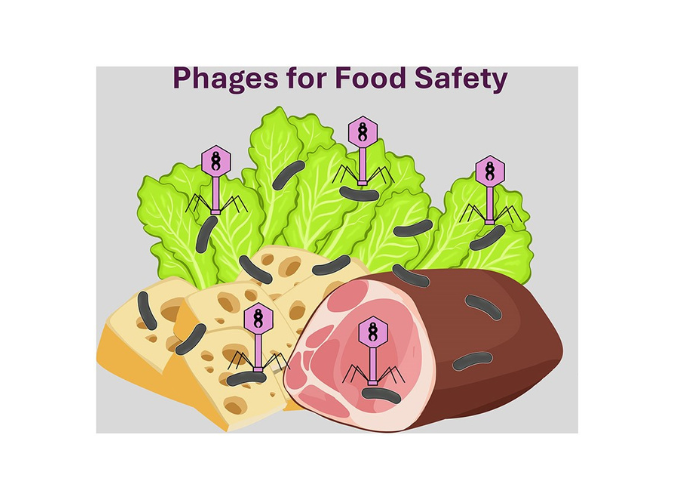
Angelika Roth and others
FEMS Microbiology Reviews, Volume 50, 2026, fuag002
https://doi.org/10.1093/femsre/fuag002
Bacteriophages can be used as antimicrobial agents and contribute to food safety. However, their range of application and effectiveness are limited, their regulatory classification is not yet conclusively clarified, and certain safety aspects are still debated.
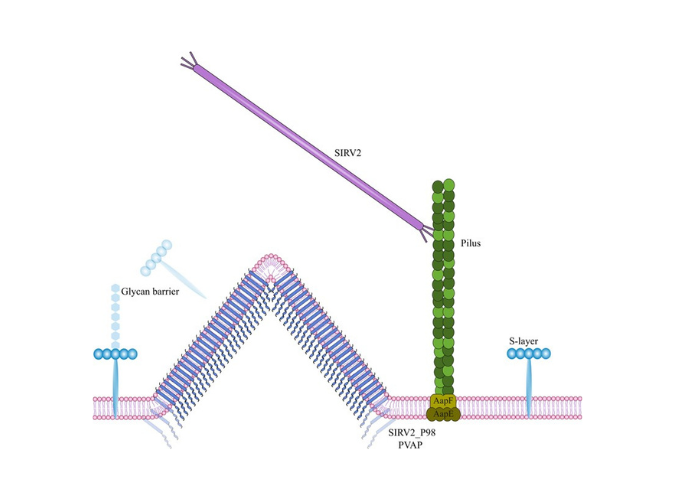
Bastiaan P. Kuiper and others
microLife, Volume 5, 2024, uqad048
https://doi.org/10.1093/femsml/uqad048
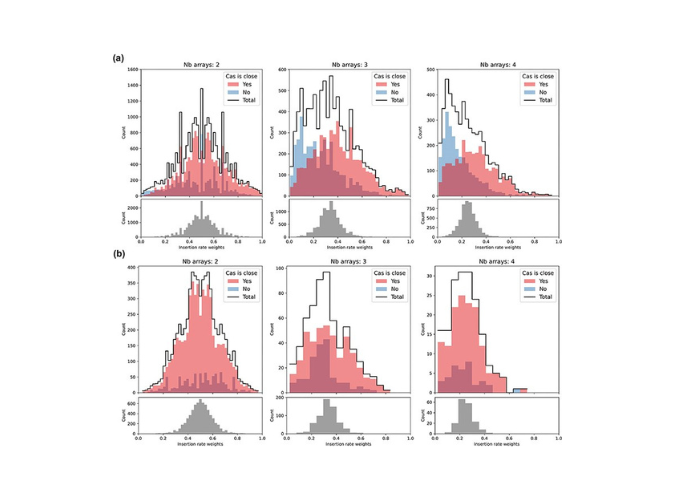
Axel Fehrenbach and others
microLife, Volume 7, 2026, uqaf042
https://doi.org/10.1093/femsml/uqaf042
We reveal the diversity among CRISPR arrays across different CRISPR types, highlighting remarkable variation in array lengths, genomic location and orientation, repeat sequences, and potential interactions among co-occurring CRISPR-Cas systems.
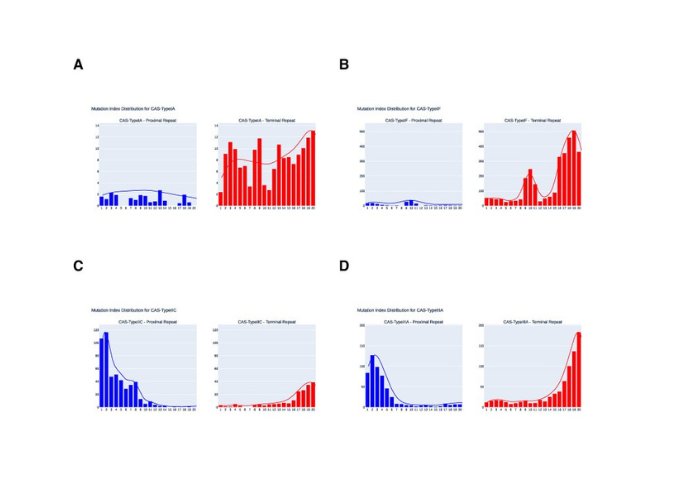
Alexander Mitrofanov and others
microLife, Volume 7, 2026, uqaf050
https://doi.org/10.1093/femsml/uqaf050
Comprehensive analysis of CRISPR array repeat mutations reveals subtype-specific patterns and links to spacer dynamics.

Fernando Clavijo-Coppens and others
microLife, Volume 6, 2025, uqaf014
https://doi.org/10.1093/femsml/uqaf014
Publishing with FEMS Journals means contributing to a publishing model that prioritizes the scientific community over profit. This community-first approach translates into our publishing practices; we offer rigorous and constructive peer review, and author-friendly and accessible publishing policies.

Reading list for viruses of microbes reading list
Open access is key to supporting the FEMS mission of disseminating high quality research as widely as possible: when high quality, peer reviewed sound science is open access, anyone, anywhere in the world with an internet connection, can read it. All but one of the not-for-profit FEMS journals are fully open access (OA), with one journal, FEMS Microbiology Letters, offering free-to-publish and OA options.