FEMS Summer School for Postdocs
Menu: Registration – Programme
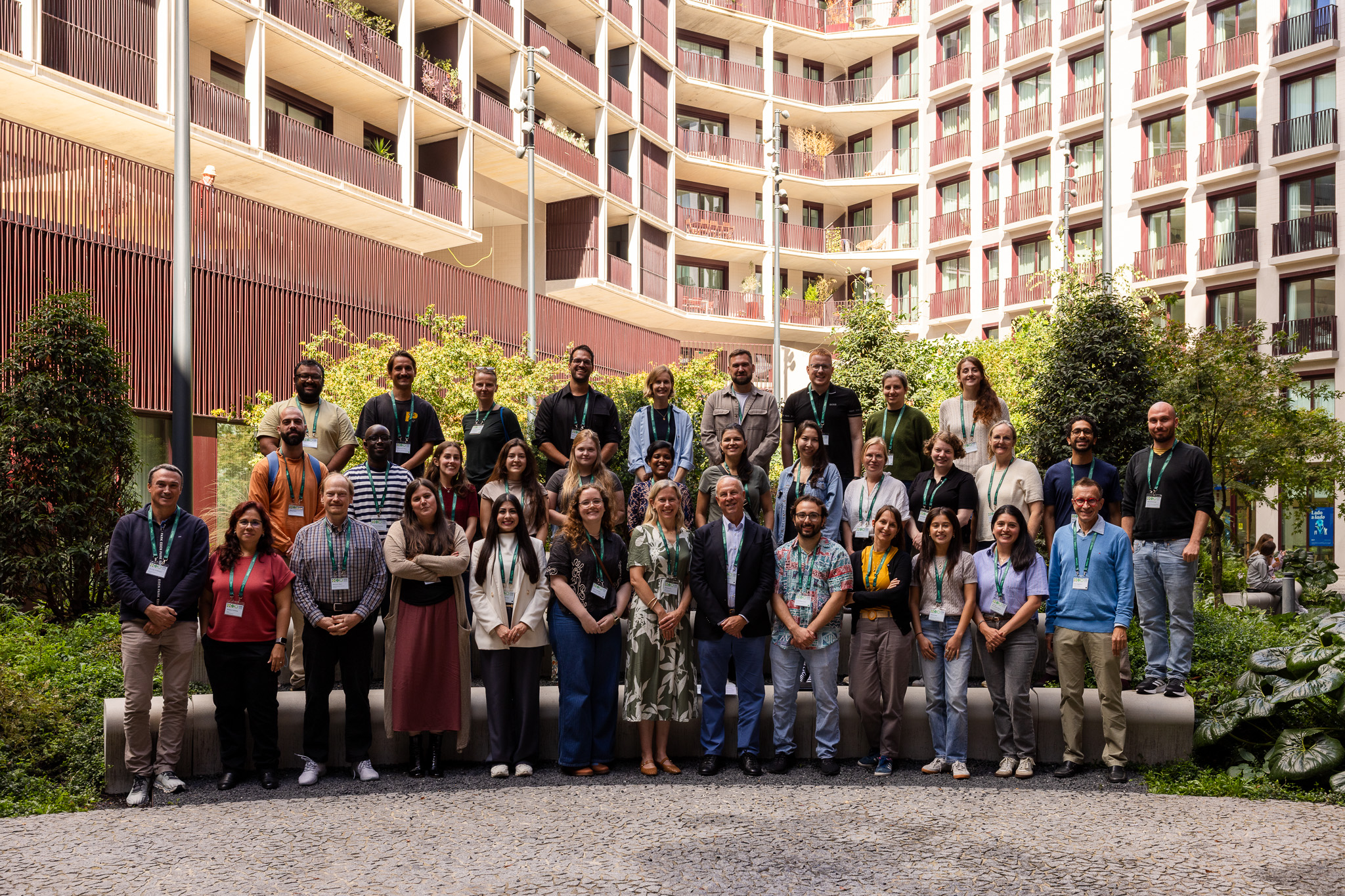
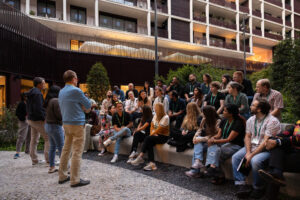
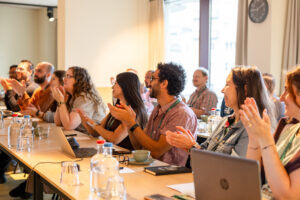
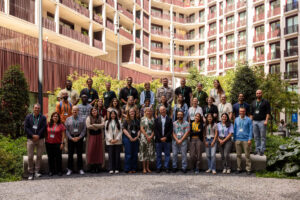
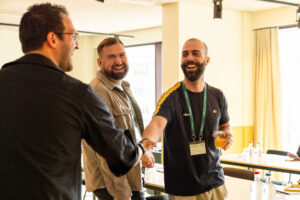
Now that the 2026 FEMS Summer School for Postdocs has come to a close, we can look back on an inspiring week of learning, collaboration, and scientific exchange in Porto, Portugal. Over six intensive days, 27 talented early-career researchers came together to develop new skills, build interdisciplinary connections, and advance their research careers. Thank you to all our participants, mentors, and speakers who helped make this year’s programme such a success. We had a fantastic time and were delighted to welcome this exceptional group of scientists to Porto.
Looking ahead, we invite the next generation of postdoctoral researchers to join us in 2027 in Porto for another exciting edition of the FEMS Summer School for Postdocs. We look forward to welcoming the next cohort of talented scientists for a memorable experience of learning, networking, and professional growth. Stay tuned for more!
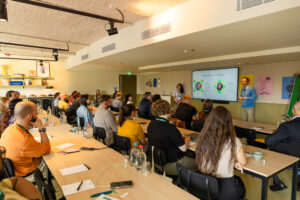
What set the 2026 programme apart
Together, attendees explored how microbial systems can address some of today’s most pressing challenges, through this year’s theme: “Microbial solutions for achieving the UN Sustainable Development Goals.” Postdocs examined the United Nations Sustainable Development Goals, 17 interconnected global objectives as a shared blueprint for peace and prosperity for people and the planet.
During the programme, postdocs:
- Gained a deeper understanding of microbial technologies and processes that can be harnessed to support a sustainable future.
- Explored the potential of microbial solutions to reduce greenhouse gas emissions, remediate polluted environments, treat wastewater, and strengthen ecosystem resilience.
- Developed key communication skills, including scientific writing, peer review, and editorial practices.
- Understood how learned societies and their members collaborate with industry, funders, and policymakers to address global challenges.
- Collaborated with international researchers to develop interdisciplinary ideas and solutions rooted in microbial systems.
- Engaged in mentor-led panel discussions covering career pathways, research development, work–life balance, international mobility, and securing independent research positions.
Sneak peek into the week at the summer school
Wednesday, 26 August – Arrival & Welcome
Check in and settle into the Summer School environment at the Social Hub Porto.Join the opening session, where you will get an introduction of the theme and the upcoming week.
End the day with an icebreaker reception where you can get to know each other in an informal setting.
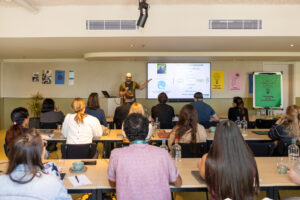
Thursday, 27 through Monday, 31 August – Core Programme The programme includes introductory lectures, dedicated mentor sessions, and team‑based discussions to develop project ideas. The content of the Summer School is designed to build skills and stimulate interdisciplinary thinking. Lunch and refreshments will be provided during breaks, followed by dinners where you can further connect informally with peers and mentors.
Sunday, 30 August – City Tour After morning and afternoon sessions of working within your teams with mentor support, we invite you to take part in a guided tour of Porto, followed by dinner with the group.
Monday, 31 August – Final Presentations & Closing Present your team’s project to mentors and fellow participants. Vote for the best project and attend the closing remarks session. Receive your certificate and bring the week to a celebratory close.
Detailed information about the programme can be found here.
Meet the Co-Directors who shaped the 2026 programme
Guiding the programme were this year’s Co-Directors, Prof. Max Häggblom and Dr. Marcela Hernández. Their role was to shape the scientific programme, select the mentors and participants, and identify the key topics that framed discussions and learning throughout the week. Together, they brought complementary expertise and a shared passion for understanding microbial life in challenging environments, making them an exceptional team to co-direct the FEMS Summer School 2026.
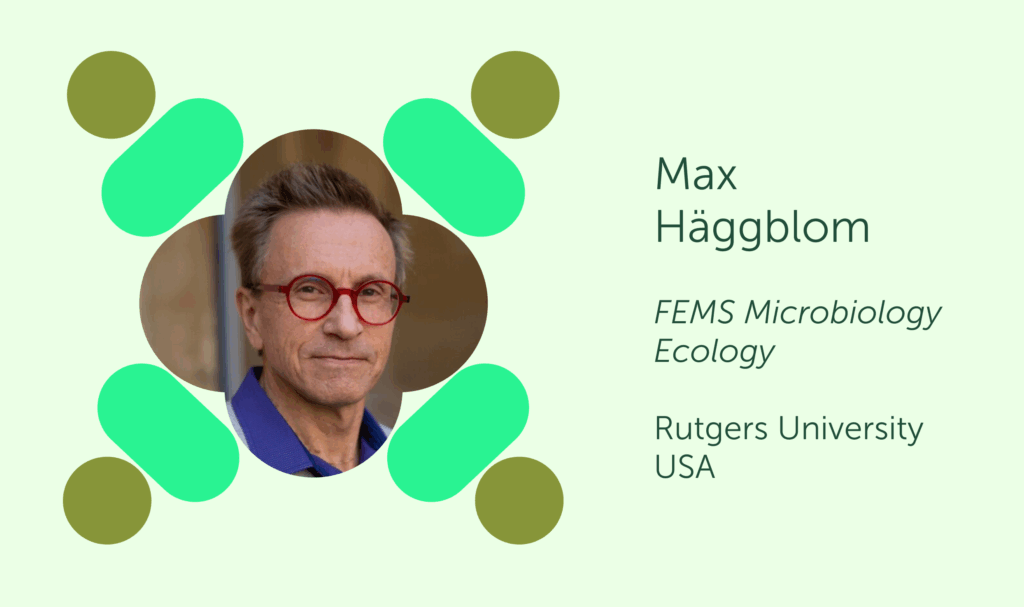
Prof. Max Häggblom, based at Rutgers University (USA), Editor-in-Chief for our FEMS Microbiology Ecology Journal is a leading microbial ecologist known for his research on organohalide-respiring bacteria and the microbial processes shaping environmental contaminant cycling. His work has advanced our understanding of how microbial communities contribute to soil health and ecosystem stability, including in extreme environments.
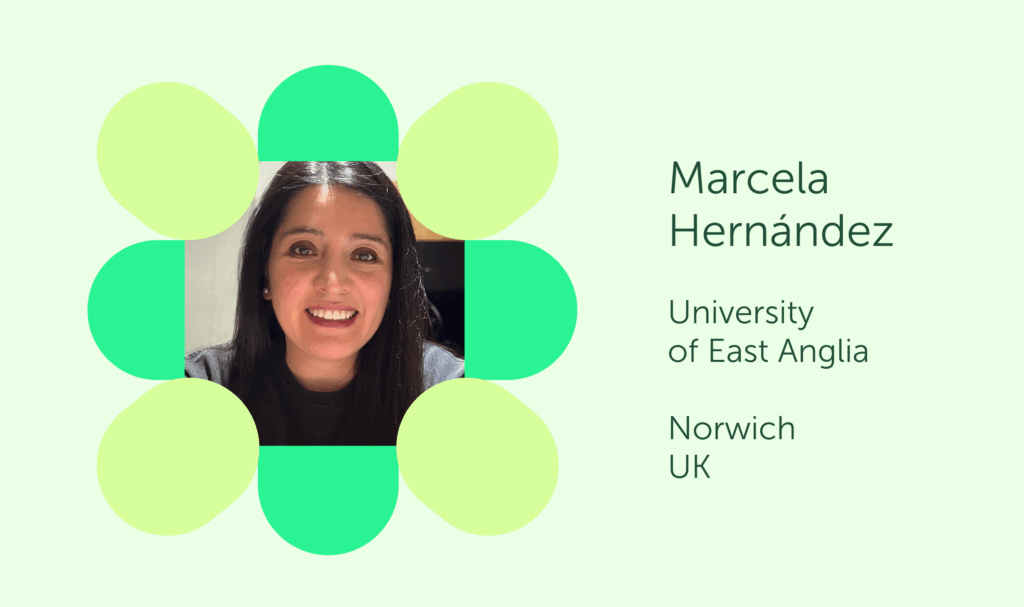
Dr Marcela Hernández is an environmental microbiologist at the University of East Anglia (UK) whose work explores the diversity and function of soil microbiomes, with a particular focus on antimicrobial resistance and trace gas metabolism. She leads innovative research on volcanic soils, combining metagenomics and field sampling to uncover how microbial communities drive key biogeochemical processes.
Open access is key to supporting the FEMS mission of disseminating high quality research as widely as possible: when high quality, peer reviewed sound science is open access, anyone, anywhere in the world with an internet connection, can read it. All but one of the not-for-profit FEMS journals are fully open access (OA), with one journal, FEMS Microbiology Letters, offering free-to-publish and OA options.