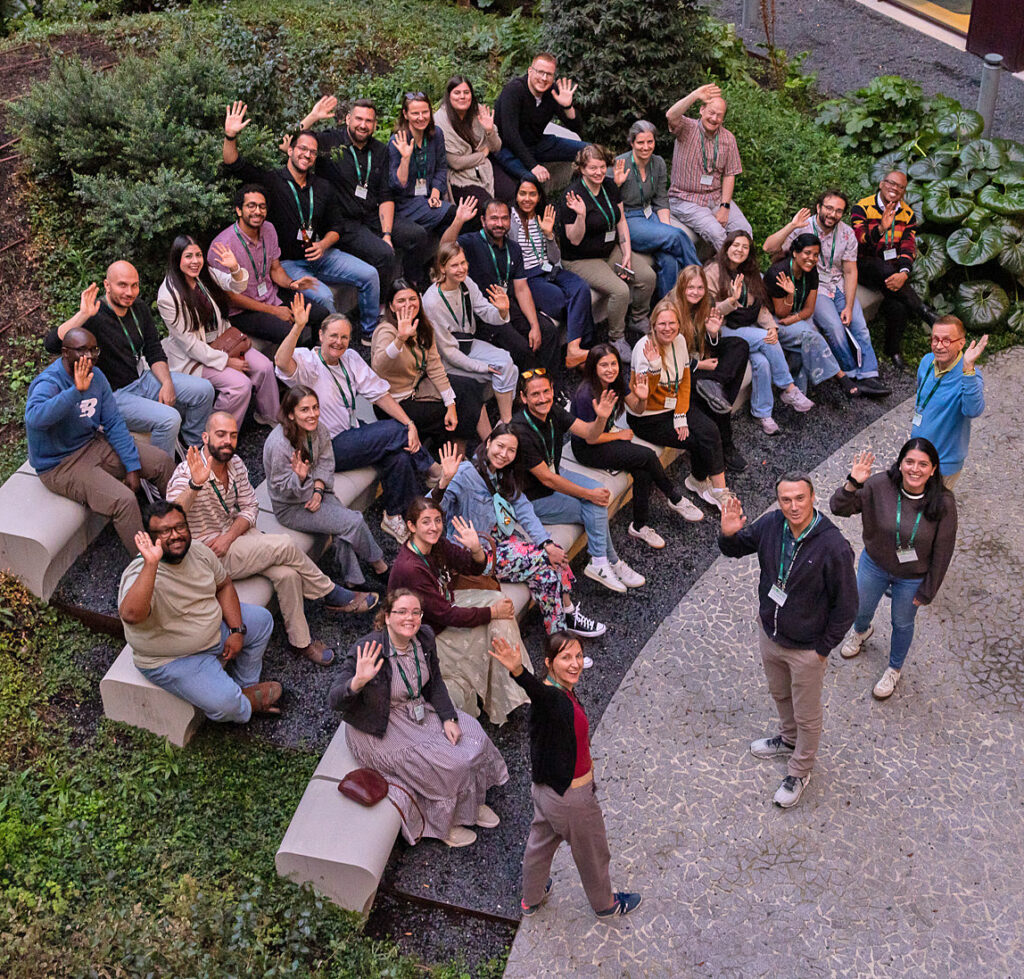
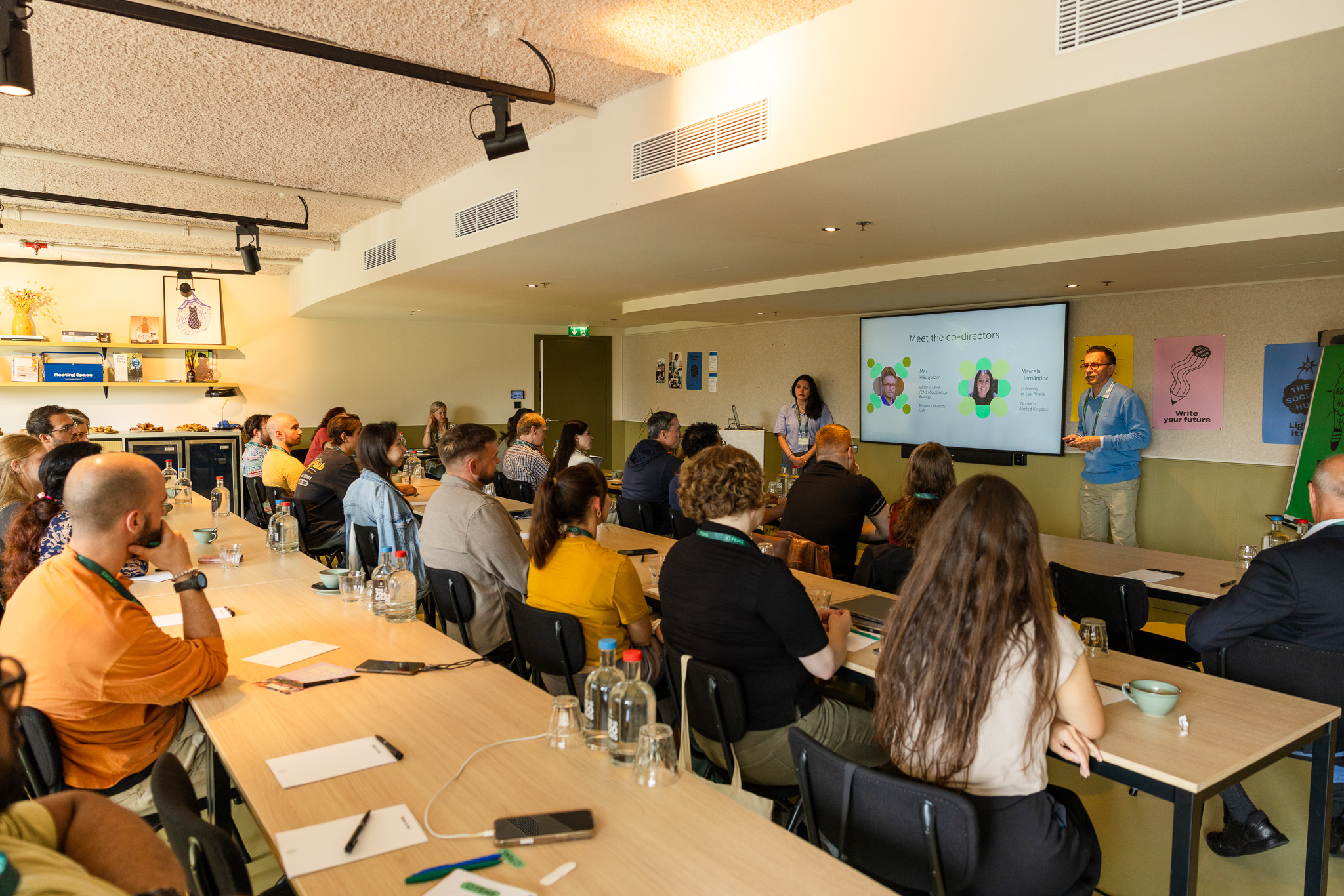
The largest cohort in the history of the FEMS Summer School for Postdocs came together in Porto, Portugal, from 26–31 August for six days of scientific exchange, collaboration, and career development.
The 2026 Summer School brought together 27 promising postdoctoral researchers for an intensive programme exploring how microbial science can contribute to some of the world’s most pressing challenges. Under the theme ‘Microbial solutions for achieving the UN Sustainable Development Goals’, attendees worked alongside 8 mentors with expertise across different research fields to explore the role of microbial systems in areas ranging from climate and environmental sustainability to human health.
Six days to explore what microbes can make possible
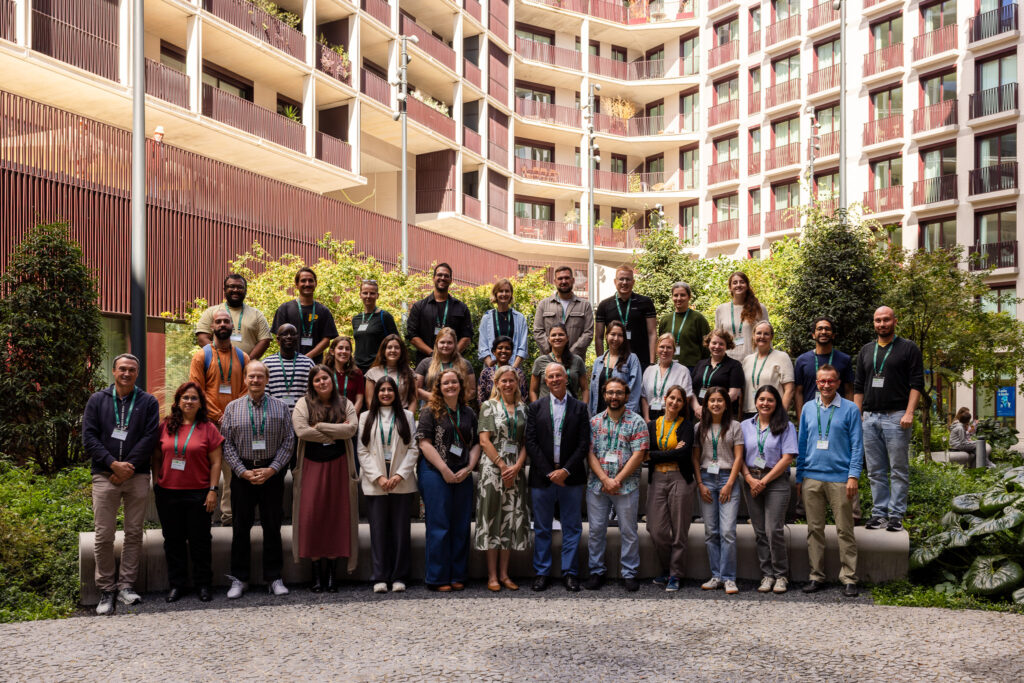
Across the week, the scientific programme moved from understanding microbial functions in the environment to considering how those functions can be harnessed in practice. Lectures explored subjects including microbial responses to climate and environmental change, plant-soil-microbe interactions, bioremediation, microbial metal metabolism and recovery, the effects of plastics on soil biomes, and the early-life microbiome. These sessions showed how microbial research can contribute to several Sustainable Development Goals, including climate action, clean water, responsible consumption and production, life below water, life on land, and good health and wellbeing.
The FEMS Summer School for Postdocs is designed to go beyond listening to lectures, with attendees spending much of the week working in teams, developing ideas with support from mentors and bringing different scientific perspectives together. Workshops, round-table discussions, and mentoring sessions gave them opportunities to test ideas, ask questions, and consider how their research could develop beyond their current projects.
“I came for the science, but I’m leaving with much more. New perspectives, unforgettable moments, and friendships I truly believe will last beyond this week. What will stay with me the most is the great feeling of overcoming the challenge of bringing more than 20 early career researchers from different backgrounds onto the same page and creating something meaningful together.” – Patricia Ruiz Ruiz, Ghent University, Belgium
Supporting the researcher as well as the research
Career development formed another important part of the programme. Alongside the scientific sessions, attendees developed their writing skills and took part in Q&As and mentoring discussions on topics such as publication ethics, securing an independent position, career paths and moving countries, research development, and work-life balance.
Working towards a shared perspective
Throughout the Summer School, attendees worked in groups to develop a draft perspective manuscript. Each group contributed a section, bringing together ideas from different research backgrounds and discussions throughout the week. After the Summer School, the sections will be consolidated into a single draft and shared with the mentors for feedback and discussion of the next steps towards publication.
The collaborative format is central to the Summer School. Rather than focusing only on individual areas of expertise, attendees are encouraged to look across disciplines, identify shared challenges, and consider where combining different approaches could lead to new possibilities.
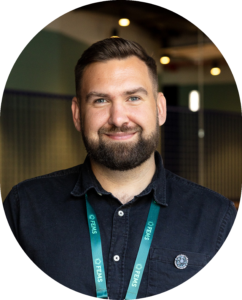
“Discovering different research fields was fascinating, but what made the School truly unique was the exchange of ideas, perspectives, and experiences with other postdocs and mentors. After just one week, you leave with new knowledge, fresh ideas, first plans for future collaborations, and, perhaps most importantly, new friends.” – Piotr Jachimowicz, VSB-Technical University Of Ostrava, Czech Republic
Expert guidance throughout the week
The 2026 programme was co-directed by Prof. Max Häggblom of Rutgers University, USA, and Dr Marcela Hernández of the University of East Anglia, UK, who shaped the scientific programme and worked with a group of mentors sharing expertise across environmental microbiology, microbial ecology, biotechnology, and human health.
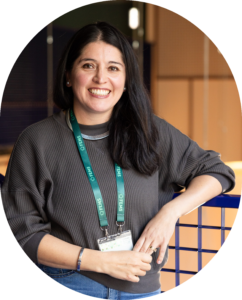 “I was particularly happy to see the connections and collaborations they developed throughout the week. I hope the school has given our early career researchers not only new scientific perspectives, but also a strong network of colleagues and friends for the future.” – Dr Marcela Hernández, University of East Anglia, UK
Looking ahead to 2027
A big thank you to the attendees, mentors, Co-Directors, and everyone who helped make this year’s programme possible. The FEMS Summer School for Postdocs will return to Porto in 2027.
Before then, the microbiology community will come together for FEMS MICRO Ljubljana 2027: Congress & Exhibition, taking place from 5–8 July 2027 in Ljubljana, Slovenia. Abstract submissions are now open, giving researchers the opportunity to share their work through a Poster Display, Flash Talk, or Session Talk. Submissions close on 15 December 2026 at 23:59 CET.
Keep an eye on the FEMS website and newsletters for details about upcoming events and opportunities in 2027.